Transform Your Civil Services Aspirations into a Focused Preparation Journey
Preparing for the competitive exams requires clear-cut planning, conceptual understanding, constant practice, and the right academic guidance. Launchpad IAS supports aspirants preparing for UPSC and other state civil services examinations through structured courses, comprehensive study resources, current affairs preparation, and a systematic approach to learning.
0+
SELECTIONS
0+
FACULTY
0
OFFLINE CENTRES
0+
Students Enrolled
0
Offline Centres
0+
Selections
0+
App Downloads
Featured courses
Comprehensive Preparation for UPSC Prelims & Mains
Launchpad IAS delivers syllabus-based learning, Prelims practice, and Mains answer writing with integrated current affairs and consistent revision—empowering aspirants at every stage of their preparation.
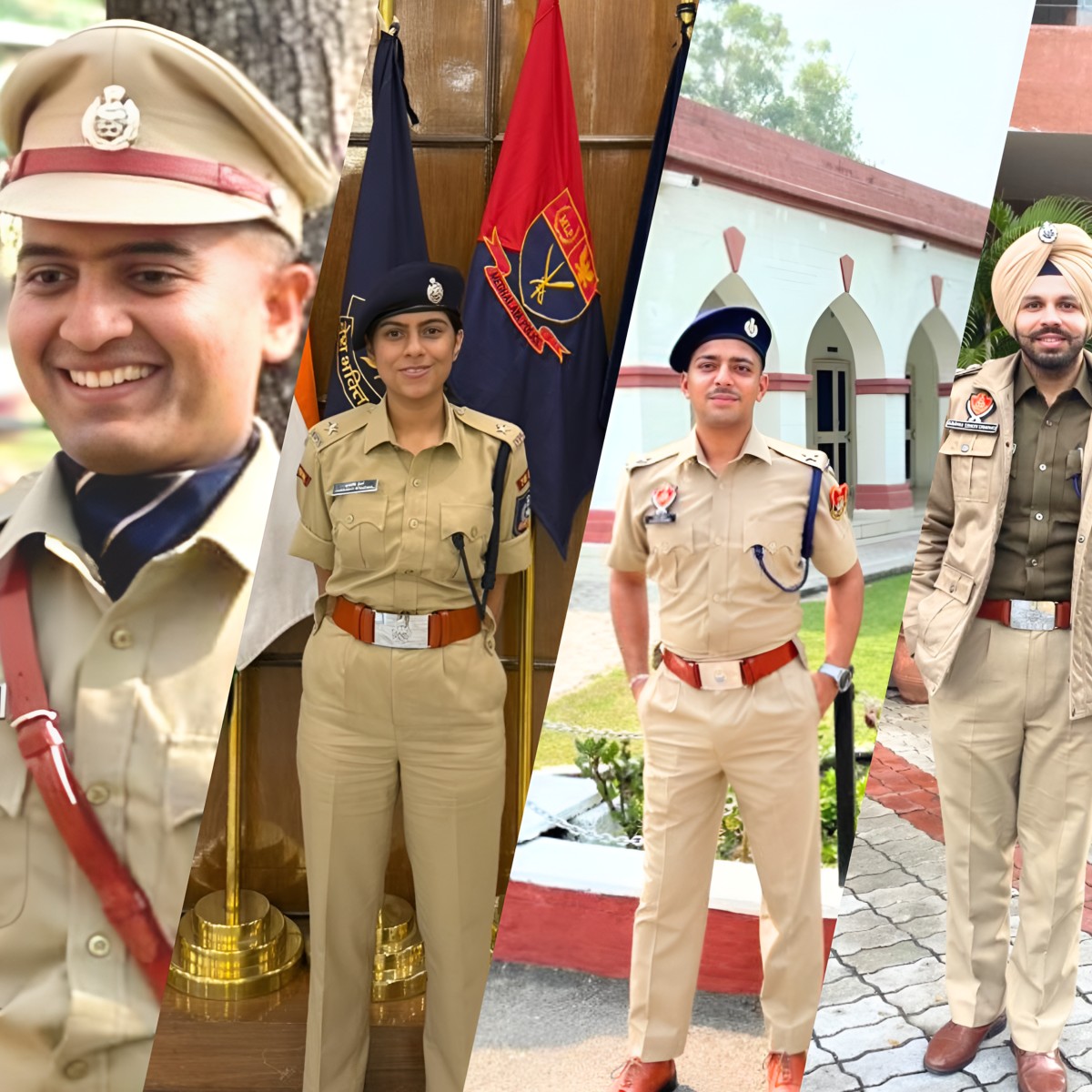
Real Students. Real Ranks.
Over 200+ LaunchPad students have achieved top ranks in UPSC CSE and State PCS examinations.

Aarushi Sharma
UPSC Topper

Karan Sharma
PCS Topper

Karan Sandhu
PCS Topper

Raghav Jain
UPSC Topper
Testimonials
What Our Students Say
Learn from Those Who've Been There
Subject specialists with 11+ years of teaching experience guiding you at every step.

Sumit Sir
Mentor
Abhinav Sir
Mentor
Vijay Sir
Mentor
Dilawar Sir
Mentor
Tarun Sir
Mentor
Prabhat Maam
MentorSumit Sir
MentorAbhinav Sir
MentorVijay Sir
MentorDilawar Sir
MentorTarun Sir
MentorPrabhat Maam
MentorWatch & Learn on YouTube
Explore high-yield masterclasses, topper interview sessions, and detailed strategy breakdowns.
UPSC Topper With Highest Interview Scores 216 | Aarushi Sharma, AIR 184 With LaunchPad IAS Teachers
PCS Rank 3 Sachin Pathak | LaunchPad | PCS Topper Interview | Strategy & Book List to Crack PCS
India AI Mission UPSC Explained | India Artificial Intelligence Mission Govt Scheme
Agni Missile+MIRV Technology Explained | Current Affairs 2026| UPSC 2027|Best UPSC Academy|Sumit Sir
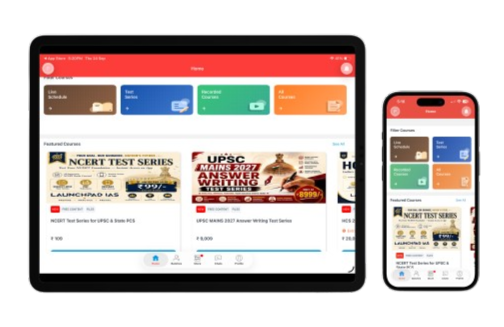
Download Our App
Learn Anywhere, Anytime
Your Classroom in your pocket
Access live classes, recorded lectures, study materials, and test series directly from your mobile device.
Strategy. Notes. Insights.
Latest from our Blog
Start Your UPSC Preparation with Launchpad IAS
Begin your civil services journey with structured learning, realistic study planning, and comprehensive resources tailored to your preparation goals.